Blue Wooden Texture Backgrounds: A Designer's Practical Guide
There's an immediate warmth and character that comes with a wood grain texture. It feels organic, familiar, and grounded. Now, imagine that classic texture rendered in a spectrum of blues, from deep navy to a soft, weathered sky blue. That’s the unique appeal of Blue Wooden Texture Backgrounds. It’s not just a pattern; it’s a design asset that bridges the natural world with a contemporary, often calming, color palette. This collection provides a specific aesthetic: the rustic charm of wood combined with the versatile and trusted psychology of blue.
The Visual Character and Personality of Blue Wood Grain
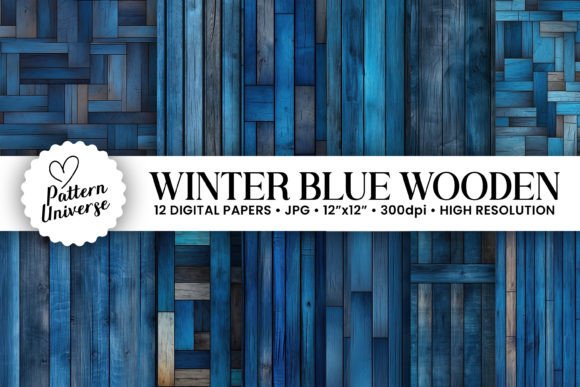
The core of this asset is its visual duality. The wood texture element provides structure, realism, and an artisanal feel. You can see the knots, the grain lines, and the subtle imperfections that make a surface feel authentic. This immediately adds depth and a tactile quality to any flat digital design, moving it away from sterile, generic backgrounds. The blue coloration, however, transforms the texture's personality. A deep indigo wood grain feels sophisticated and luxurious, perfect for high-end branding or elegant invitations. A lighter, washed denim blue feels casual, approachable, and slightly nautical or coastal. The overall style is one of modern rustic or coastal chic—it’s familiar yet fresh.
This isn't a display font or a typeface demanding attention with sharp serifs or flowing scripts. It’s a foundational design asset. Its role is to support your primary content, not compete with it. Think of it as the stage for your actors. The right blue wooden texture background sets the scene, evoking a specific mood—trustworthy, serene, creative, or vintage—before a single word is read. It’s a premium font for your visual world, providing a consistent, professional backdrop.
Where Blue Wood Textures Shine: Real-World Applications
The practical value of these seamless patterns lies in their incredible versatility. Because the files are high-resolution (300dpi, 3600x3600 pixels), they are print-ready and scalable for a vast array of projects. Here’s where they work exceptionally well:
- Branding & Marketing: For small businesses, especially in the lifestyle, home décor, artisanal food, or outdoor sectors, a blue wood texture can become a core part of the brand identity. Use it as a website hero background, in social media post templates, or as a texture overlay on product photography. It communicates authenticity and a handcrafted ethos without saying a word. It’s a creative font for your visual language.
- Packaging & Product Design: Imagine this texture on a coffee bag, a candle label, or a set of artisan soap wrappers. It instantly elevates the product, suggesting natural ingredients and careful craftsmanship. For packaging design, the seamless nature means it can wrap around a box or bottle without a jarring line.
- Publishing & Editorial Design: In editorial design, such as magazine layouts, book covers, or report backgrounds, the texture adds a layer of visual interest. A subtle blue wood can serve as a sophisticated background for pull quotes, chapter openers, or sidebars, enhancing visual hierarchy and reader engagement.
- Digital & Web Design: On the web, it can be used for section backgrounds, header strips, or behind featured content areas. The key is to use it strategically—perhaps behind a light-colored text block—to add warmth without sacrificing readability. It’s a fantastic way to break the monotony of solid-color web pages.
- Craft & Personal Projects: This is where the fun really begins. For crafters, these digital papers are a goldmine. They are perfect for gift wrapping digital prints, creating unique greeting cards and invitations, designing tumbler wraps, or adding backgrounds to scrapbook pages. The font pairing possibilities here are endless—layer a clean sans serif font for modern projects or an elegant script font for formal events.
Integrating the Texture: A Practical Approach
Simply having the asset isn't enough; using it effectively is what matters. Here’s how to evaluate and apply Blue Wooden Texture Backgrounds in your work:
Evaluate the Project Fit: Does your project call for warmth, texture, and a touch of nature? If you're designing for a law firm or a tech startup, this might not align. But for a yoga studio, a bakery, a wedding planner, or a personal blog, it could be perfect. The blue variant specifically leans towards projects that benefit from feelings of calm, trust, and reliability.
Test for Readability: The number one rule: your message must be clear. Never place small, dark text directly over a busy, medium-tone wood texture. Use the texture in areas with less critical text, or place a semi-transparent solid color overlay (a light gray or cream) on top of the texture to create a readable zone for your serif font or sans serif font headlines and body copy.
Consider Your Font Pairings: The texture itself has a style, so your typography should complement it. For a rustic, handmade feel, pair it with a handwritten font or a script font. For a more modern, clean look that lets the texture shine, use a simple sans serif font. Avoid overly ornate or complex display fonts that could clash with the texture's detail.
Leverage the Seamless Nature: The "seamless" aspect is crucial for commercial font use in large-scale applications. In design software, you can scale and tile these patterns to fill any size canvas without visible seams, which is essential for professional web design, large-format prints, and product mockups.
Understand the Included Assets: You’re getting 12 variations in one zip file. Don’t just use the first one. Experiment. The collection likely includes different shades, grain intensities, and blue tones. One might be ideal for a dark-mode website background, while another, lighter version works beautifully as a subtle texture for a wedding invitation suite. This variety allows for consistency across a project while offering subtle differentiation.
In essence, Blue Wooden Texture Backgrounds are more than just a pretty pattern. They are a versatile tool for adding depth, personality, and a professional finish to a wide spectrum of creative and commercial projects. By understanding their character and applying them with a keen eye for design principles like hierarchy and readability, you can transform a simple layout into a memorable and engaging experience. It’s a strategic addition to any designer's or crafter's toolkit, offering a unique blend of natural appeal and contemporary style.