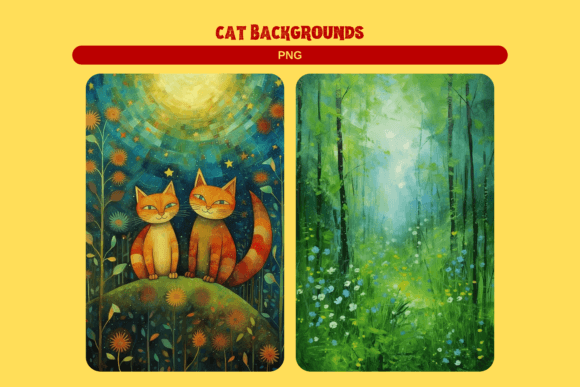
Cat Backgrounds: A Playful Yet Professional Creative Asset
When you first encounter Cat Backgrounds, it’s easy to see why it captivates so many designers and content creators. This isn’t just another collection of stock images; it’s a curated visual library that blends whimsy with sophistication. Think of it as a premium font for your visual layout—just as a typeface sets the tone for text, these backgrounds set the stage for your entire design narrative. The aesthetic generally leans into soft textures, artistic illustrations, and high-definition photography that captures feline personalities without feeling kitschy or juvenile.
The core appeal lies in its versatility. Whether you are building a brand identity for a pet boutique or creating social media graphics for a lifestyle blog, the collection offers a range of moods. You might find watercolor washes that mimic the fluidity of a script font, or geometric patterns that align perfectly with a modern typography aesthetic. It manages to feel cozy and inviting while maintaining the sharpness required for professional web design and editorial design. It is this balance—the ability to be both charming and commercial—that makes Cat Backgrounds such a valuable resource in a creative toolkit.
Strategic Applications for Modern Creators
For entrepreneurs and small business owners, visual consistency is the bedrock of trust. Using Cat Backgrounds effectively means understanding where they fit into your visual hierarchy. If you are designing a logo, you likely wouldn’t use a busy background behind the wordmark, but you might use a subtle texture from the collection for your business cards or website hero images. It acts much like a display font—it demands attention but needs the right context to shine.
Consider the world of packaging design. If you are selling artisanal goods, a soft, illustrated cat background can add a layer of tactile luxury to your labels. It suggests care and attention to detail. Similarly, in digital spaces like Instagram or Pinterest, these backgrounds can stop the scroll. They provide a visual anchor that makes your text pop, especially when paired with clean sans serif fonts. The key is to treat these backgrounds as active design elements rather than mere filler. They should support your message, not drown it out.
Refining Your Visual Hierarchy
Readability is king, whether you are dealing with a serif font on a printed page or a caption on a screen. Cat Backgrounds often feature varying levels of complexity. A high-contrast photo might work perfectly behind a large headline, but it could make body text illegible. This is where the designer’s eye comes in. You need to evaluate the "busyness" of the image. Just as you wouldn’t pair a handwritten font with a script font, you shouldn’t stack a complex background behind intricate typography.
Use these assets to create visual breathing room. For example, in editorial design, a full-bleed cat background can break up long blocks of text, offering the reader a visual rest while maintaining the theme. In web design, a repeating pattern can add personality to a footer or sidebar without overwhelming the main content area. The goal is to use the background to guide the viewer’s eye toward the most important information.
Integration and Licensing for Commercial Projects
Before you download and deploy, it is crucial to treat Cat Backgrounds as professional design assets. This means checking the licensing. If you are creating merchandise—t-shirts, mugs, planners—you need to ensure the license covers commercial use and print-on-demand services. A creative font or asset usually comes with specific terms regarding how many impressions or products you can create. Ignoring this can lead to legal headaches down the road.
When integrating these backgrounds into your workflow, think about scalability. Does the resolution hold up for large-format printing, like trade show banners? Does it load quickly enough for web design applications? Testing is essential. Just as you would test a font pairing across different devices, test your backgrounds on mobile screens and desktop monitors. A background that looks stunning on a 27-inch monitor might become a muddy mess on a smartphone.
Pairing Visuals with Typography
The relationship between your background and your text is a partnership. If you are using a bold, artistic background from Cat Backgrounds, consider using a typeface with high legibility, such as a sturdy geometric sans serif. The contrast between the organic, often nature-inspired feel of the cat imagery and the structured precision of modern typography creates a sophisticated tension that feels very current.
Conversely, if the background is a subtle, minimalist sketch, you might have room to use a more expressive typeface, perhaps a premium serif font with elegant ligatures. The trick is to avoid visual competition. The background should complement the text, not fight for the viewer's attention. For marketers and bloggers, this means your message remains clear. The "vibe" is set by the cat imagery, but the information is delivered by the typography.
Elevating Brand Perception
Ultimately, the resources you choose signal your brand's values. Incorporating high-quality assets like Cat Backgrounds shows that you care about aesthetics and user experience. It moves a project from looking "homemade" to looking "handcrafted." For crafters and hobbyists, this distinction is vital when moving into the commercial space. It signals professionalism.
Whether you are a designer building a pitch deck or a publisher laying out a magazine spread, these backgrounds offer a way to inject personality without sacrificing professionalism. They remind us that design can be fun, expressive, and deeply engaging while still serving a strategic purpose. By carefully selecting, testing, and pairing these assets, you ensure that your visual identity is as memorable and distinct as the felines that inspire it.