How Luminous Rainbow Backgrounds 3 Can Transform Your Digital Designs
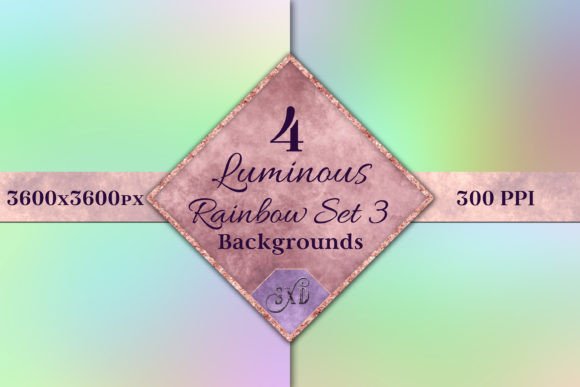
Finding the right visual foundation for a project often feels like searching for a missing piece of a puzzle. You have the text, the layout, the core idea, but the background needs to support everything without shouting over it. This is where a resource like Luminous Rainbow Backgrounds 3 comes into play. It's a specific set of four digitally-painted background images, each measuring a generous 3600x3600 pixels at 300 PPI. That high resolution means they're built for serious work, from large-format prints to detailed digital displays. The files come as a single ZIP containing four JPGs, making them easy to download and integrate into your workflow.
What makes this particular set stand out is its personality. These aren't flat, generic color washes. They have a painted, luminous quality that feels both vibrant and sophisticated. Imagine soft blends of color that seem to glow from within, with subtle gradients and textural nuances that add depth. The appeal lies in their ability to provide a rich, colorful backdrop that still maintains a sense of elegance. They can brighten a design instantly, injecting energy and a modern aesthetic without relying on harsh patterns or overwhelming complexity. The fact that they aren't seamless is a practical detail to note; they are designed as standalone compositions, which often gives them a more natural, artistic feel compared to infinitely repeating tiles.
Practical Applications for Creators and Businesses
The versatility of a strong background asset is something experienced designers appreciate. Luminous Rainbow Backgrounds 3 can serve a wide range of purposes across different mediums. For social media graphics, they can make a quote, announcement, or promotional post stand out in a crowded feed. The vibrant colors naturally catch the eye, which is crucial for engagement on platforms like Instagram or Pinterest. For web design, a well-chosen background can set the tone for a landing page or a hero section. These particular backgrounds could work beautifully for brands in the creative, wellness, or tech spaces, where a sense of innovation and positivity is key.
Beyond digital, their high resolution makes them suitable for print projects. Think about the background for a event poster, a flyer for a creative workshop, or even the cover of a planner or journal. In packaging design, a luminous background could add a premium, eye-catching element to a product box or label, especially for items like cosmetics, artisanal foods, or specialty stationery. For publishers and bloggers, these images could serve as a base for chapter title pages, ebook covers, or featured image backgrounds, helping to establish a consistent and visually appealing brand identity across multiple pieces of content.
Integrating Backgrounds into Your Design Strategy
Simply having a beautiful background isn't enough; using it effectively is what separates good design from great design. When incorporating Luminous Rainbow Backgrounds 3, or any bold background, into your work, consider a few key principles. First, think about visual hierarchy. A vibrant background will naturally recede if you place high-contrast text or graphics over it. Use bold, clean typefaces—perhaps a strong sans serif font for headings and a highly readable serif font for body copy—to ensure your message isn't lost. The background should complement your content, not compete with it.
Next, consider your brand perception. The colors and style of the background will influence how your audience feels about your brand. A luminous, rainbow-inspired palette often conveys creativity, dynamism, and inclusivity. If that aligns with your brand's personality, it's a strong match. For a more subdued or traditional brand, you might use one of these backgrounds more sparingly, perhaps as an accent or in a desaturated version. Always test how the background interacts with your other design assets, like your logo and brand colors. The goal is cohesion, not clash.
Finally, remember the practical side of font pairing and readability. If you're overlaying text, avoid ornate or overly thin typefaces that might become illegible against the textured, colorful backdrop. A modern typography approach with clean lines often works best. You might pair a display font for impact with a neutral creative font for supporting text. Always do a quick readability check on different devices and in print proofs if applicable. The commercial licensing for such assets is typically straightforward, allowing you to use them in both personal and commercial projects, which is a significant advantage for entrepreneurs and small business owners looking to maintain a professional appearance without custom commissioning every element.
Making the Most of Your Investment
Choosing to incorporate a resource like Luminous Rainbow Backgrounds 3 into your toolkit is about efficiency and quality. Instead of spending hours trying to paint or blend similar effects from scratch, you have a ready-made, high-quality foundation. This allows you to focus your creative energy on the unique aspects of your project—the message, the layout, the user experience. It’s a practical example of working smarter, not harder, a principle any busy designer, marketer, or content creator can appreciate.
When you evaluate the fit for your project, look at the overall mood each of the four images conveys. Do they align with the emotion you want to evoke? Test them quickly with a mockup of your key text and graphics. See how they influence the overall composition. Because they are JPGs, they are widely compatible with virtually every design software, from Adobe Photoshop and Illustrator to Canva and even basic presentation tools. This ease of use makes them accessible to hobbyists and professionals alike.
In the end, the value of any premium font or background asset lies in how it helps you communicate more effectively and present your work more professionally. Luminous Rainbow Backgrounds 3 offers a specific aesthetic—luminous, colorful, and artistically textured—that can elevate a project from ordinary to memorable. By understanding its characteristics and applying thoughtful design principles, you can use it to create visuals that truly resonate with your audience and strengthen your brand's visual language. It’s not just about a pretty picture; it’s about a strategic tool that supports your creative and business goals.