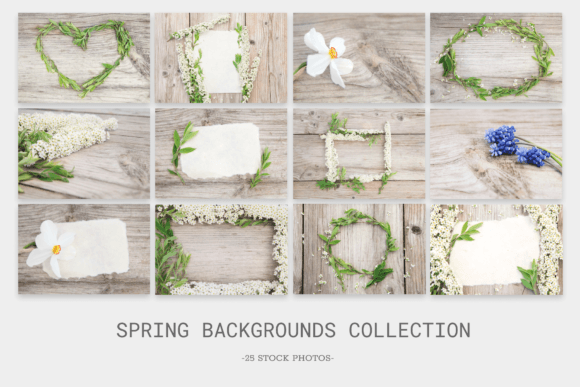
Spring Backgrounds: Real Photos for Your Projects
Finding the right visual foundation for a project can be a time-consuming challenge. You need an image that feels authentic, sets the right mood, and doesn't look like it was pulled from a generic stock library. This is where a dedicated collection of high-resolution spring backgrounds becomes an invaluable asset for your creative toolkit. It’s about having a bank of professional, real photos ready to go, saving you hours of searching or staging your own shoots.
The Visual Character of a Curated Spring Collection
Imagine a ZIP archive containing 25 JPG format digital images, each captured at a high resolution of 300-350 DPI and 20 megapixels. This isn't just a random assortment of flowers. A styled collection like this is curated with a designer's eye. You'll find a balance of landscape and portrait orientations, offering flexibility for different layouts. The photos are real, meaning they have the texture, light, and imperfections that make them believable. Think soft morning dew on a petal, the vibrant green of new leaves, or a sun-dappled path. The overall appeal is one of freshness, renewal, and natural beauty—a versatile aesthetic that can support a wide range of brand identities and creative concepts.
Where These Backgrounds Shine in Real-World Projects
The practical applications for such a collection are extensive. As a designer or marketer, you can immediately see the value. For brand identity and logo design, a subtle spring texture can become a key element, adding an organic feel to a wordmark or symbol. In packaging design, these backgrounds can wrap a product box or label, instantly communicating themes of natural ingredients, eco-friendliness, or seasonal promotions.
For editorial design and web design, they serve as perfect hero images for blog posts about wellness, gardening, recipes, or new beginnings. Their high resolution ensures they remain crisp even when cropped or used as large banners. Social media graphics benefit immensely; a consistent spring palette across your posts can create a cohesive and engaging feed. Entrepreneurs and small business owners can use them for website headers, email newsletter backgrounds, or promotional flyers, adding a professional polish without the cost of a custom photoshoot. Crafters and hobbyists might use them for digital scrapbooking, printable wall art, or as a backdrop for product photography.
Integrating Spring Backgrounds into Your Design Workflow
Simply having great photos isn't enough; knowing how to use them effectively is key. First, consider the visual hierarchy of your design. A busy floral background can overwhelm text. The solution is to use it strategically. Try applying a subtle gradient overlay, a semi-transparent color block, or a vignette to create a clear area for your typography to sit. This ensures your message remains readable while the background enhances the mood.
When it comes to font pairing, these organic backgrounds pair beautifully with a range of typefaces. A clean sans serif font can provide a modern, minimalist contrast. A classic serif font can evoke a sense of timeless elegance. For a more personal touch, a tasteful script font or handwritten font can be used sparingly for headlines or quotes, complementing the natural, human feel of the photography. The goal is balance—let the background support your typography, not compete with it.
Always test your chosen background in context. Place your logo, headline, and body copy on it. Check the readability at various sizes, especially on mobile devices. Does the text have enough contrast? If not, adjust the background's brightness or add a text container. Reviewing the entire collection allows you to choose an image whose colors and composition best align with your project's palette and focus. For commercial projects, ensure the license covers your intended use, whether for digital ads, printed materials, or merchandise.
Making the Most of Your Investment
A collection of 25 high-quality, styled photos is a significant design asset. To maximize its value, think beyond one-off uses. Establish a consistent visual theme for a campaign or brand season by using multiple images from the same set. The cohesive color grading and style will tie your materials together, strengthening brand recognition and professionalism. Rotate them on your website's homepage to keep the look fresh throughout the spring months. Use them as backgrounds for quote graphics, testimonial cards, or "about us" team photos to add personality.
Ultimately, a resource like the Spring Backgrounds collection is about efficiency and quality. It provides the raw material—authentic, high-resolution imagery—that you need to build compelling visual stories. By understanding its characteristics and applying practical design principles, you can elevate your projects, connect with your audience on an emotional level, and streamline your creative process. It’s a practical tool for anyone who needs to communicate freshness, growth, and beauty in their visual communications.