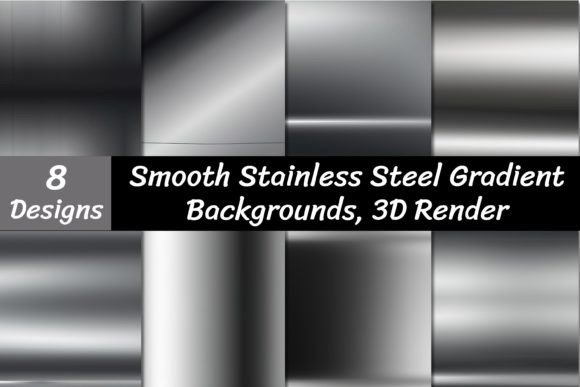
Stainless Steel Gradient Backgrounds: The Modern Design Asset
In a digital landscape saturated with flat colors and basic textures, achieving a sense of depth and sophistication requires more than just a standard color palette. It requires materials that evoke quality and precision. This is where Stainless Steel Gradient Backgrounds come into play. Far from being just a simple grey overlay, these high-quality assets mimic the complex interplay of light on brushed metal surfaces, offering a three-dimensional aesthetic that instantly elevates any project. Whether you are a graphic designer looking for a sleek backdrop for a tech startup or an entrepreneur designing premium product packaging, understanding the power of metallic textures is essential for modern branding.
The Visual Language of Metal: Why Texture Matters
When we talk about design assets, we are often talking about "visual shorthand." A specific typeface or color can signal "luxury," while another might signal "playfulness." The same logic applies to backgrounds. Stainless Steel Gradient Backgrounds communicate specific values: durability, modernity, cleanliness, and high-end precision. The visual characteristics of a 3D-rendered steel surface—smooth transitions from light to dark, the subtle reflection of light sources, and the cool, neutral tone—create a psychological association with industrial strength and cutting-edge technology.
Unlike a flat grey background, which can feel dull or uninspired, a gradient version adds movement and dimension. The included files in this collection are rendered at a massive 3600 x 3600 pixels at 300 DPI. This high resolution is crucial for maintaining the integrity of the texture. When you zoom in, the grain of the metal remains sharp, preventing the "pixelated" look that plagues lower-quality assets. This ensures that whether you are using the background for a massive print banner or a small digital icon, the quality remains uncompromised.
Practical Applications: From Screen to Print
The versatility of a premium stainless steel texture is one of its greatest strengths. It serves as a neutral yet impactful canvas that adapts to various contexts without overwhelming the foreground content. Here is how different professionals can integrate these files into their workflow:
- Brand Identity and Logo Design: For brands in the automotive, tech, or industrial sectors, using a metallic texture as a backdrop for a logo presentation can instantly establish a tone of reliability. A sans serif font or a bold serif font placed over a steel gradient creates a striking contrast that demands attention.
- Social Media Graphics: Algorithms favor content that stops the scroll. A 3D-rendered steel background provides a dynamic stage for text overlays. It works exceptionally well for announcements, sales, or "quote of the day" posts where you want the text to feel authoritative.
- Packaging Design: If you are designing packaging for a premium product—such as high-end electronics, cosmetics, or spirits—a steel texture conveys value. It suggests that the product inside is crafted with care and precision.
- Editorial and Web Design: In magazine layouts or website hero sections, these backgrounds can be used to break up heavy blocks of text. They provide a resting point for the eye while maintaining a professional aesthetic.
Integrating Texture with Typography
A background is only as good as the content that sits on top of it. One of the common challenges with textured backgrounds is ensuring readability. Because Stainless Steel Gradient Backgrounds feature complex lighting and shadows, your typography needs to stand out clearly.
The most effective strategy is to use font pairing that balances simplicity with impact. Since the background is visually "busy" in terms of texture, you generally want to avoid highly decorative script fonts or intricate handwritten fonts for the main body copy. Instead, opt for clean, geometric sans serif fonts for body text. These typefaces offer high legibility against the metallic sheen.
For headlines, however, you have more freedom. A bold, condensed display font can look spectacular against the smooth gradients of steel. The key is to create a hierarchy. Use the background to frame your message, not compete with it. You might also consider using "knockout" text—where the text is white or black—or adding a subtle drop shadow to lift the letters off the surface, enhancing the 3D effect of the render.
Evaluating Fit and Workflow
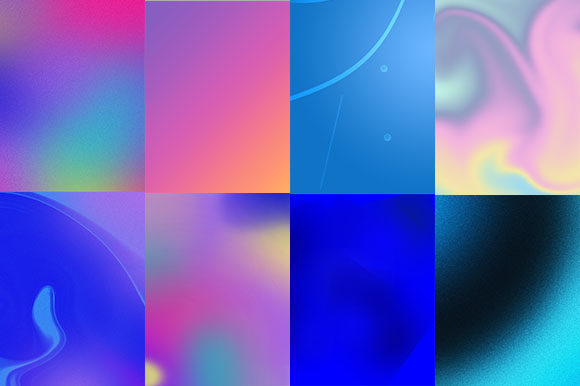
Before purchasing or downloading design assets, it is wise to evaluate how they fit into your specific workflow. The collection of Stainless Steel Gradient Backgrounds includes 8 distinct digital papers. This variety allows you to experiment with different lighting angles and gradient intensities. Some renders might feature a harsh, direct light (great for high-contrast designs), while others might have a softer, diffused glow (better for subtle, elegant layouts).
Furthermore, the commercial licensing of these assets is a critical consideration for business owners. If you are a small business owner creating marketing materials, or a publisher designing book covers, you need to ensure the assets are cleared for commercial use. These files are designed to be used across a wide range of projects, from digital ads to physical merchandise, giving you the flexibility to maintain a consistent brand identity across all touchpoints.
Technical Setup and File Management
High-quality assets often come with large file sizes, and this collection is no exception. The files are delivered in a zipped format to ensure secure and efficient transfer. It is important to have unzipping software, such as WinZip or Winrar, installed on your computer or laptop to extract the JPEG files properly.
Once extracted, you will find the 3600 x 3600 pixel files ready for immediate integration into your design software. Whether you use Adobe Photoshop, Illustrator, Canva, or Procreate, the JPEG format is universally compatible. The 300 DPI resolution means you have plenty of room to crop or resize the image without losing quality. For instance, you could use the full square for an Instagram post, or crop a horizontal strip for a website header, all while maintaining that crisp, professional finish.
In conclusion, investing in high-quality design assets like Stainless Steel Gradient Backgrounds is an investment in your project's perceived value. By leveraging the psychological impact of metallic textures and pairing them with thoughtful typography, you can create visuals that are not only beautiful but also effective in communicating your message. Whether for a sleek corporate presentation or a gritty industrial poster, these 3D renders provide a versatile foundation for modern creativity. Buy or download the stainless steel gradient backgrounds now