Enchanting 3D Christmas Tree Backgrounds for Festive Design
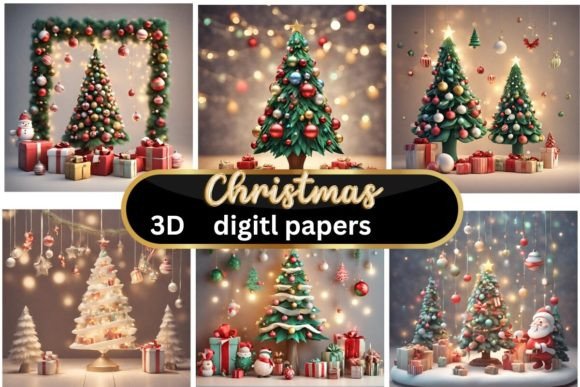
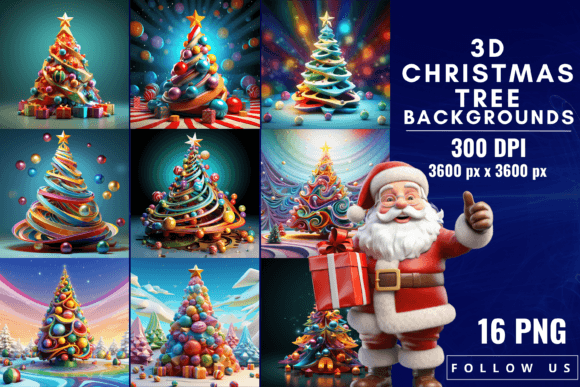
When the holiday season approaches, the visual language of your projects needs to shift immediately. You aren't just looking for a generic red and green color palette; you need depth, atmosphere, and that specific "wow" factor that stops a scrolling thumb. This is where high-quality 3D Christmas Tree Backgrounds come into play. Unlike flat, two-dimensional clipart, these assets offer a lifelike immersion that mimics professional studio photography. We are talking about intricate textures, realistic lighting effects on baubles, and the soft, volumetric glow of twinkling lights that truly capture the spirit of the season.
Visual Characteristics and Immersive Appeal
The primary strength of these backgrounds lies in their ability to simulate reality through digital means. As a design asset, a 3D render provides a distinct personality—it feels polished, modern, and technically sophisticated. You will notice the difference in the "weight" of the objects; the needles on the trees look soft and organic, while the ornaments reflect light just as glass would in a physical room. This level of detail creates a tactile experience for the viewer. It moves beyond simple illustration into the realm of immersive imagery, making the viewer feel as though they could reach out and touch the pine branches. This visual richness is essential for brands that want to project a premium, high-end image during the Q4 rush.
Strategic Applications for Creators and Brands
Understanding where to deploy these 3D Christmas Tree Backgrounds is just as important as the visuals themselves. For digital art and graphic designers, these images serve as a robust foundation for composite work. If you are designing a hero image for a website, a 3D background eliminates the need to construct a complex scene from scratch. It provides a ready-made stage for your products or typography.
In the realm of presentation design, these assets are invaluable. We have all sat through dry corporate slide decks. Dropping a high-resolution, 3D Christmas tree background into the slide master instantly transforms the atmosphere. It signals to the audience that the presenter cares about the details and that the content is timely. For marketers and entrepreneurs, this is about context. A product mockup placed against a 3D festive backdrop feels more "giftable" and relevant to the holiday shopping mindset than a plain white background.
Furthermore, social media managers and content creators face the constant challenge of the algorithm. Platforms like Instagram and Pinterest favor high-engagement visuals. Using these backgrounds for Instagram Stories, Reels covers, or Facebook banners ensures your content looks professional. The depth of field often found in 3D renders helps separate the background from the foreground text, which is a crucial aspect of readability in social media graphics.
Integrating 3D Assets into Modern Typography
While these are technically image files, they function as a critical layer in your typography and layout strategy. A busy background can ruin a design if not handled correctly. However, the "bokeh" (blurred background) effect common in 3D Christmas Tree Backgrounds actually aids in visual hierarchy. The soft, out-of-focus lights create pockets of negative space where text can sit comfortably without fighting for attention.
When pairing typefaces with these rich visuals, consider the contrast. If the background is highly detailed and realistic, a clean sans serif font often works best to maintain a modern, legible look. Alternatively, for a luxury brand, pairing the 3D imagery with a sophisticated serif font or an elegant script font can evoke a sense of traditional warmth and high-end retail. The key is to treat the background as part of your brand identity for the season. It shouldn't just be decoration; it should support the message.
Practical Guidance for Implementation
When selecting a collection of 3D Christmas Tree Backgrounds, you need to evaluate them with a designer's eye, not just a consumer's eye. Here are practical steps to ensure you get the most value out of these assets:
- Evaluate the Lighting: Look at where the light source is coming from in the image. Is it consistent? If you plan to overlay a product photo, the lighting on your product needs to match the lighting in the background to look realistic.
- Check the Resolution: For web design, 72 DPI might suffice, but for print design—such as holiday flyers, packaging design, or direct mail—you need high-resolution files (300 DPI). Ensure the assets are crisp enough for large-format printing.
- Consider Color Grading: The collection should offer variety. Do you need a traditional green tree with gold ornaments, or a trendy frosted tree with blue lights? Different color palettes evoke different emotions—red and gold suggest excitement and tradition, while silver and blue suggest calm and elegance.
- Licensing and Usage: Always verify the commercial license. If you are a small business owner creating merchandise or a publisher designing a magazine cover, you must ensure the asset allows for commercial use. This protects your business and ensures you are using design assets ethically.
Ultimately, these backgrounds are more than just "pictures of trees." They are versatile tools for branding, editorial design, and digital storytelling. By selecting the right 3D imagery, you save time in production while significantly elevating the perceived value of your final product. Whether you are a hobbyist making cards for family or a professional designer working on a national campaign, the right visual foundation makes all the difference. Let these 3D assets handle the heavy lifting of creating festive ambiance so you can focus on the message. 🎄✨